SUPERVISOR’S SPEECH DURING JULY 19TH 2025 GRADUATION
GRADUATION SPEECH BY CPE SUPERVISOR Prof. Rev.Gerishon Kirika
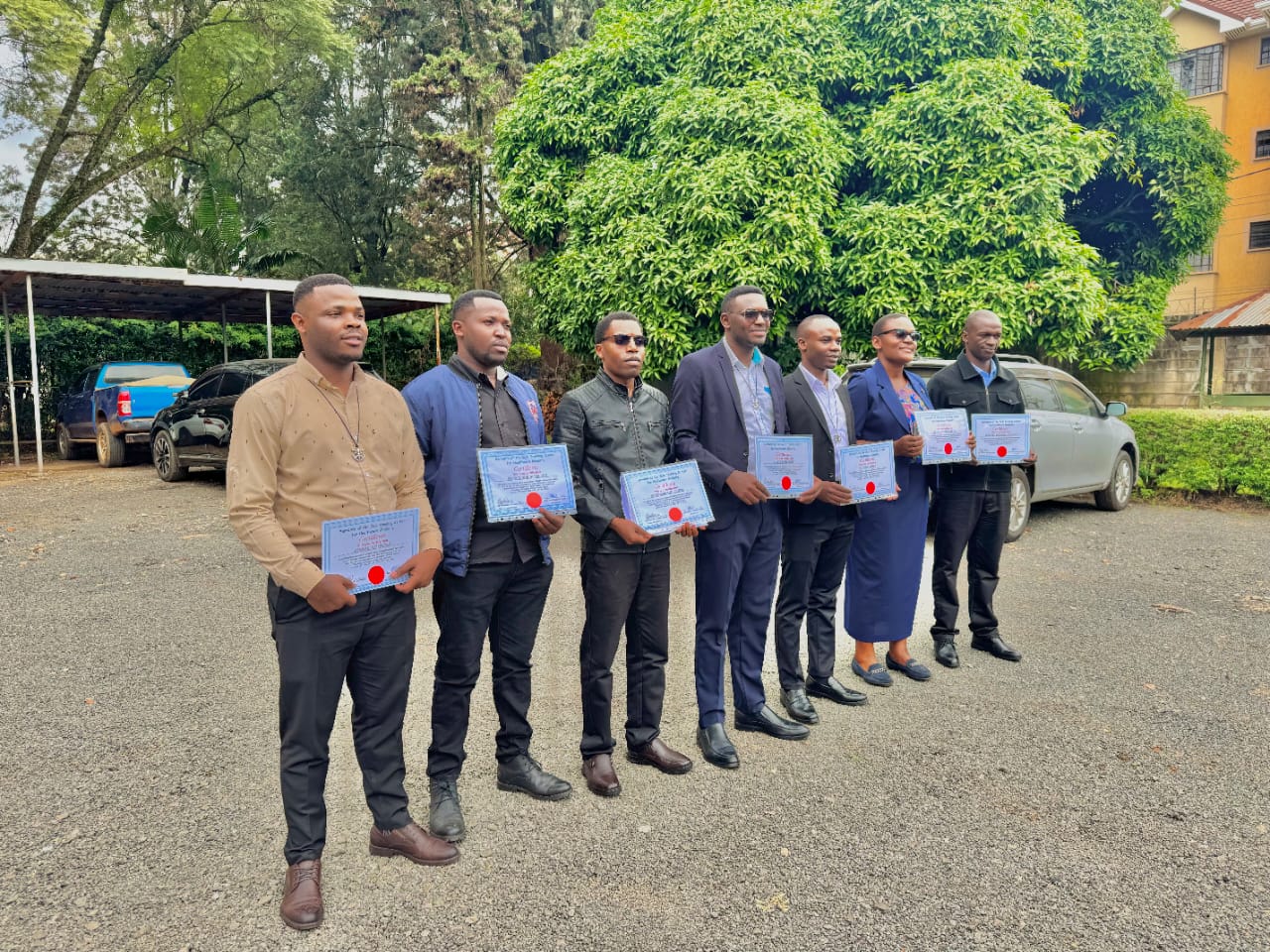
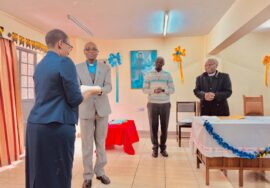
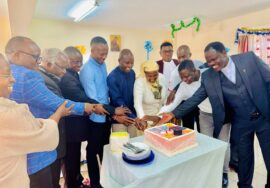
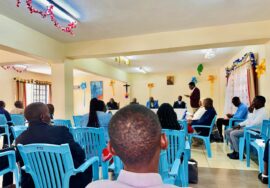
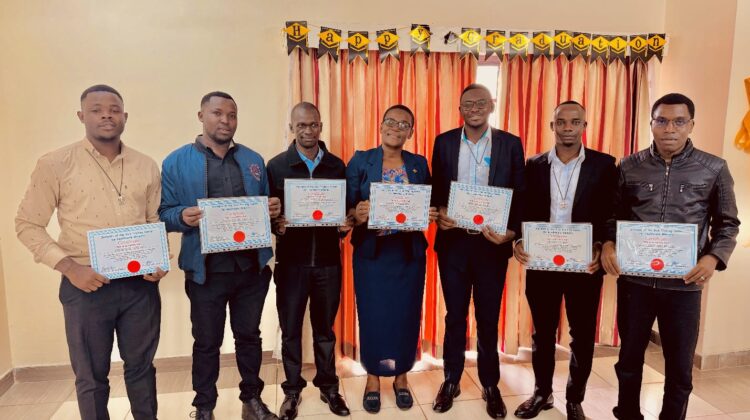
Saturday, July 19th 2025, marked the Recognition Day for the end of May-July 2025 CPE Session at Servants of the Sick training Center. This session of ten weeks of CPE training had seven (7) students, two from Tanzania, one from Uganda and three from Kenya. One of them was a Sister from the Loreto Community. The others were Brothers from the Holy Cross and the Camillian Communities.
The next CPE session starts on September 15th – November 21st.
Below is a sampled statements from what students said they learned in the course of 10 weeks.
What Students have learnt about CPE.
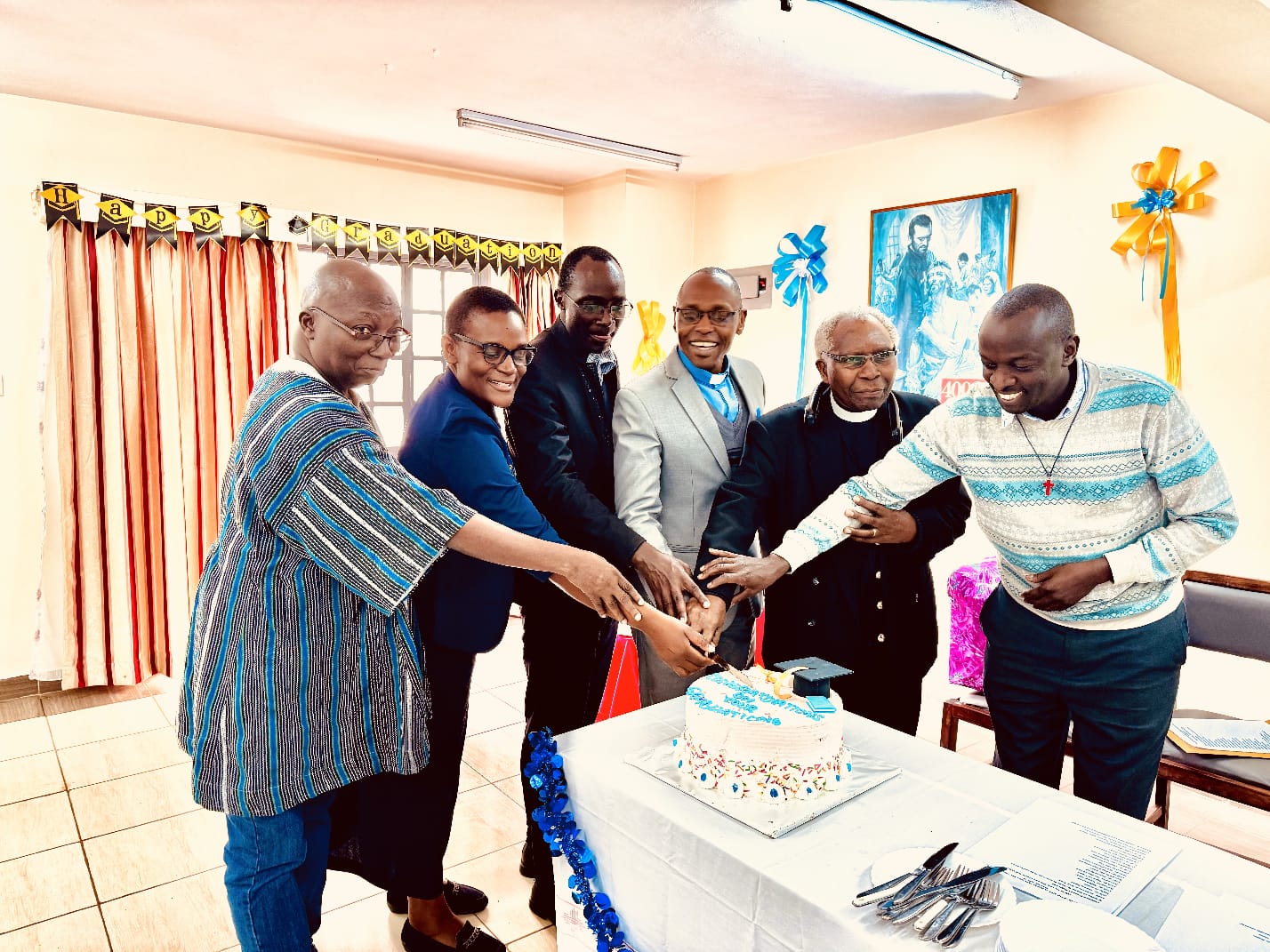
The following is the Supervisor’s message for that day:
Clinical Theology
Anton Boisen’s two contemporaries and colleagues were Cabot and Dicks who became interested in studying the actual helping process itself. In their study verbatim records of concrete interaction between pastors and patients became principal instrument for conducting this research. Any concrete helping acts, whether a statement, a question, a movement, a response, a feeling, or an attitude, became a fair subject for evaluation according to its effect upon the patient. The result was a different understanding of the function of theological knowledge in the caring process.
Dicks often found that theological discussion with patients took on an argumentative character which in the end brought no comfort but only fatigue and disappointment. The most helpful expression of the pastor’s theology lay, not in the facile (effortless) use of religious terms or even clarity of belief, but in certain quality of thought and action. The pastor’s theological conviction became the frames of reference through which one opened oneself to patient’s suffering, understood it, and responded to the other’s needs.
Religious beliefs became the substance of what is done or acted out in the process of pastoral care, very much as medical knowledge of the physician is employed to inform the procedures of treatment. This was the essence of clinical theology. It would build a system of thought upon those things discovered in the study of God at work. Its source would be the clinical material accumulated in actual pastoral practice.
Boisen advocated that we study theology in living human document observing how the beliefs that people hold function to direct the course of their lives. Cabot and Dicks set out to develop a clinical theology based on the study of the actual process of God at work in concrete pastoral efforts to help people grow. These two emphases were never abandoned throughout the history of clinical pastoral education. Case studies of individuals in personal crisis continue to be a means of research into the nature of religious beliefs and their functioning. Clinical records of the actual helping process of pastoral care continue to be a source of knowledge about how belief may be enacted in relationship with others. From the beginning, such studies were regarded as a source of theological knowledge. As Seward Hiltner put it a number of years later, ‘’The truth about how the truth operates is part of the truth itself’’.
Prof, Rev.Gerishon Kirika.